
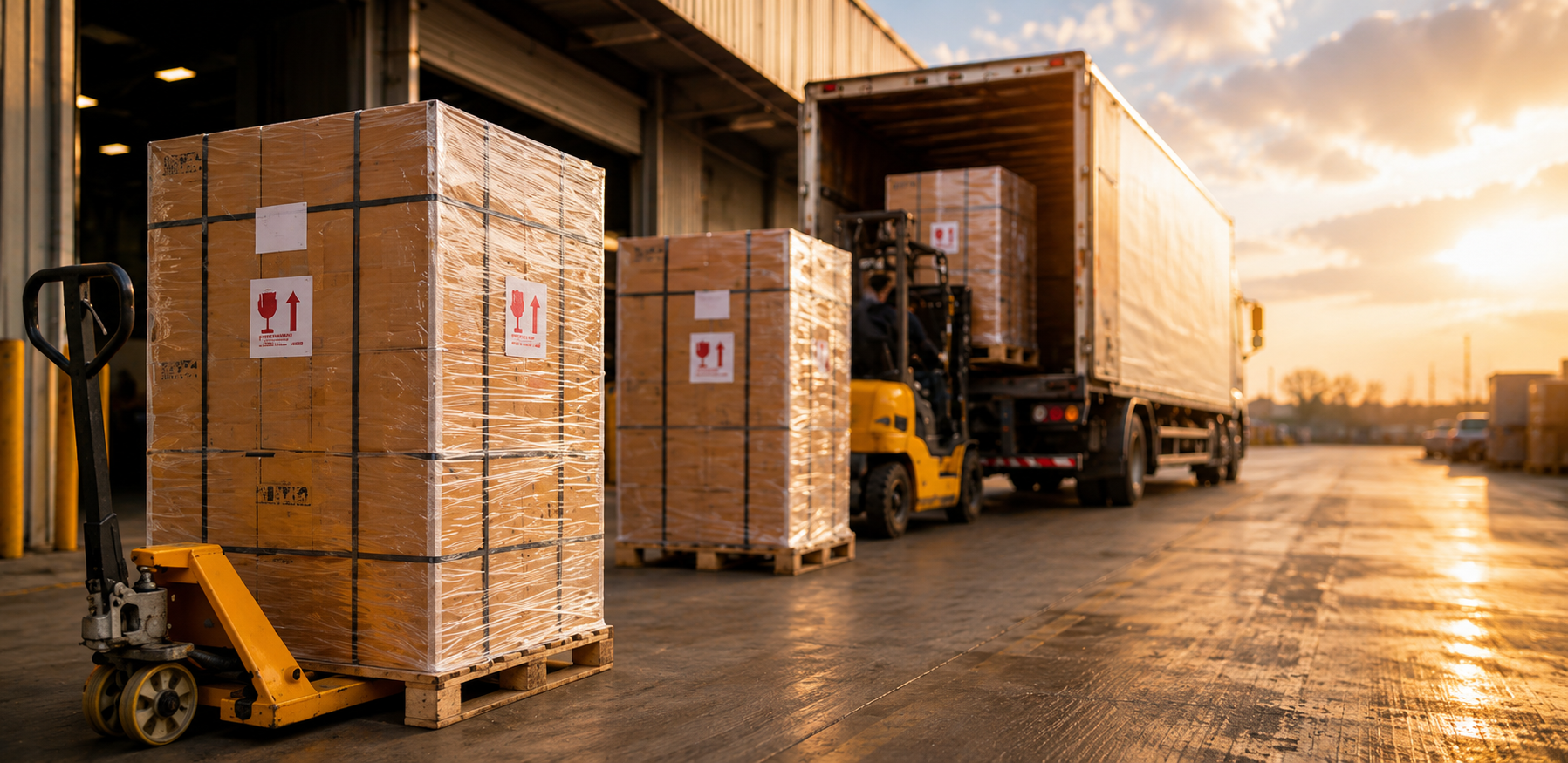
If you ship LTL freight regularly, you have probably seen this happen.
A shipment leaves in good condition.
It arrives damaged, delayed, or with unexpected charges.
In many cases, the issue is not the carrier. It is how the freight was prepared before it left the dock.
LTL shipping works differently than full truckload. Freight moves through multiple terminals, is handled several times, and is often stacked with other shipments.
Because of this, proper packing is critical.
The good news is that most of these issues can be prevented with the right approach.
Quick LTL Packing Checklist
Before your next shipment, confirm the following:
✔ Use a full pallet with no overhang
✔ Stack freight evenly and securely
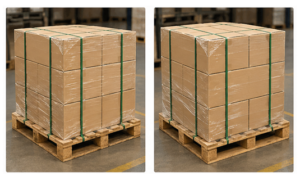
✔ Use strapping and shrink wrap
✔ Label all items clearly
✔ Confirm accurate weight and dimensions
These steps can significantly reduce risk and improve delivery performance.
Why LTL Freight Requires a Different Approach
LTL freight does not move directly from pickup to delivery. It moves through a network and is handled multiple times along the way.
During transit, freight is:
- Loaded and unloaded at multiple terminals
- Consolidated with other shipments
- Exposed to movement and stacking pressure
This level of handling increases the risk of damage and delays if freight is not properly prepared.
Freight should be packed to withstand these conditions.
Where LTL Shipments Commonly Go Wrong
Most issues come down to a few preventable mistakes:
- Unstable pallets that shift during transit
- Overhanging freight that leads to damage or re-measurement
- Insufficient wrapping or strapping
- Missing or unclear labels
- Incorrect shipment details
Addressing these areas early helps prevent costly issues later.
Understanding How Freight Packaging Works
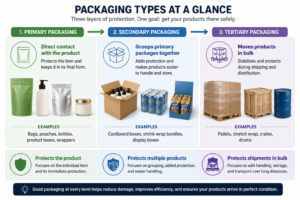
Packaging is not just the outer box. It is a system of layers that work together to protect the shipment.
There are three key levels of packaging:
- Primary Packaging: The packaging that directly holds the product, such as cartons or containers.
- Secondary Packaging: Materials used to group items and provide additional protection.
- Tertiary Packaging: The outer layer used for transport, including pallets, shrink wrap, and strapping.
When these layers work together, freight is better protected throughout the LTL process.
Best Practices to Protect Your LTL Shipment
The following best practices help reduce risk and improve shipment stability:
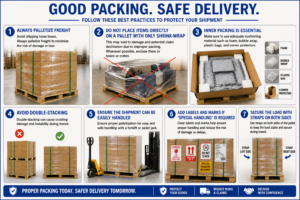
- Always palletize freight to minimize handling damage
- Do not place items directly on a pallet with only shrink wrap
- Use protective materials such as foam, bubble wrap, or corner protectors
- Avoid double stacking unless the load is properly supported
- Add labels when special handling is required
- Secure loads with straps on both sides
These steps help ensure freight can withstand normal LTL handling conditions.
How to Build a Strong, Stable Pallet
A properly built pallet is one of the most important factors in successful LTL shipping.
- Build a Stable Base: Place heavier items on the bottom to create balance and prevent crushing.
- Use the Full Pallet: Keep freight within pallet edges. Overhang increases the risk of damage and can lead to re-billing.
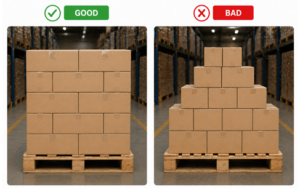
- Stack in a Brick Pattern: Alternate box placement to improve stability and reduce shifting.
- Avoid Pyramid Stacking: Keep the load level and evenly distributed.
Secure the Load Properly
Once the pallet is built, it must be secured correctly.
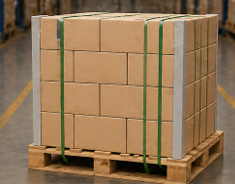
- Use heavy-duty straps to hold freight in place
- Add corner boards for additional support
- Apply shrink wrap tightly from bottom to top
- Reinforce the middle of the pallet
For heavier shipments, edge protectors help stabilize the load and reduce compression risk.
Special Freight Considerations
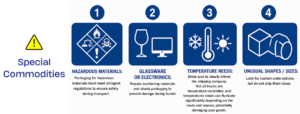
Some shipments require additional planning. Planning ahead helps prevent delays and damage.
- Hazardous materials must meet safety regulations
- Electronics and glassware require extra cushioning
- Temperature-sensitive items may need controlled transport
- Irregular shapes may require custom crating
The Cost of Poor Packaging
Improper packing can lead to:
- Freight damage
- Delivery delays
- Reclassification charges
- Customer dissatisfaction
It can also make claims more difficult if freight is not packed to withstand standard handling conditions.
Finding the Right Balance
Understanding the different levels of packaging helps you make better decisions to ensure your products are delivered safely, on time, and in a cost-effective way.
The goal of any packaging decision is to protect both your product and your profit margin. Good packaging finds the right balance between cost and protection. Overly expensive materials can reduce profitability, while insufficient packaging can lead to damage, returns, and additional costs.
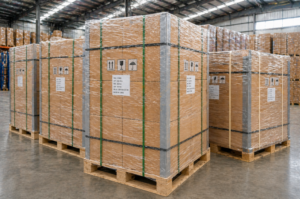
How GLB Solutions Supports LTL Shipping
GLB Solutions works with businesses to improve how freight is prepared and shipped.
As part of our commitment, GLB Solutions is here to recommend the right packaging solutions and assist you in choosing the most suitable shipping method based on each shipment’s needs, with a focus on preventing damage, delays, and unnecessary costs. Feel free to reach out to our team for guidance at any time.
Final Takeaway
LTL shipping offers flexibility and cost savings, but it requires proper preparation.
When freight is packed correctly from the start, it is better positioned to move through the network without issues.
Ready to Improve Your LTL Shipping Process?
If you want to reduce risk and ship with more confidence, GLB Solutions can help.
Contact the team to review your process and identify opportunities for improvement.